
Sandblasting for Contractors in Cape Town: What It Is & Why Your Crew Needs It

Request your free quote today.
Sandblasting often gets talked about in design circles as a way to make surfaces look good, but on Cape Town construction sites it’s become one of the most efficient ways to prepare concrete, brick, and steel surfaces for the next phase of work — whether that’s coatings, sealing, tiling, or waterproofing.
If you’re managing crews or running projects in the Western Cape, this is the surface prep method that will save you time, improve adhesion, reduce rework, and keep jobs moving.
What Sandblasting Really Does on a Construction Site
Sandblasting is a mechanical surface preparation process that uses high-velocity abrasive media to:
Remove weak surface layers (laitance) from concrete
Clean brick and blockwork
Strip rust and old coatings from steel
Profile surfaces for better bonding
It works faster and more thoroughly than grinding, chiselling, or chemical stripping — and when done properly, it gives your subcontractors a surface that’s ready for action.
Why Contractors in Cape Town Are Choosing Sandblasting
⚙️ Faster & More Consistent Than Alternatives
Traditional methods like grinding are slower and less uniform. Sandblasting:
Breaks loose weak material quickly
Profiles the substrate evenly
Reduces prep time and labour hours
This matters when you’re trying to hit deadlines on multi-trade sites.
📈 Better Bonding For Coatings, Sealants & Finishes
A uniform surface profile means coatings and membranes adhere better. On concrete slabs, walls, and steel:
Waterproofing binds more reliably
Epoxy coatings cure with stronger adhesion
Paint and sealants cover uniformly
This cuts down on peeling, bubbling, and future callbacks.
🛠 Cleaner Jobsite Integration
On a busy Cape Town build, scheduling and coordination are everything.
Professional sandblasting teams:
Work to your project timeline
Contain dust and debris where possible
Prepare surfaces without causing downstream delays
That keeps your build sequence tight and your subcontractors synchronized.
Common Use Cases You’ll See on Western Cape Sites
🧱 Concrete & Slab Prep
On warehouses, slabs, and commercial floors, sandblasting:
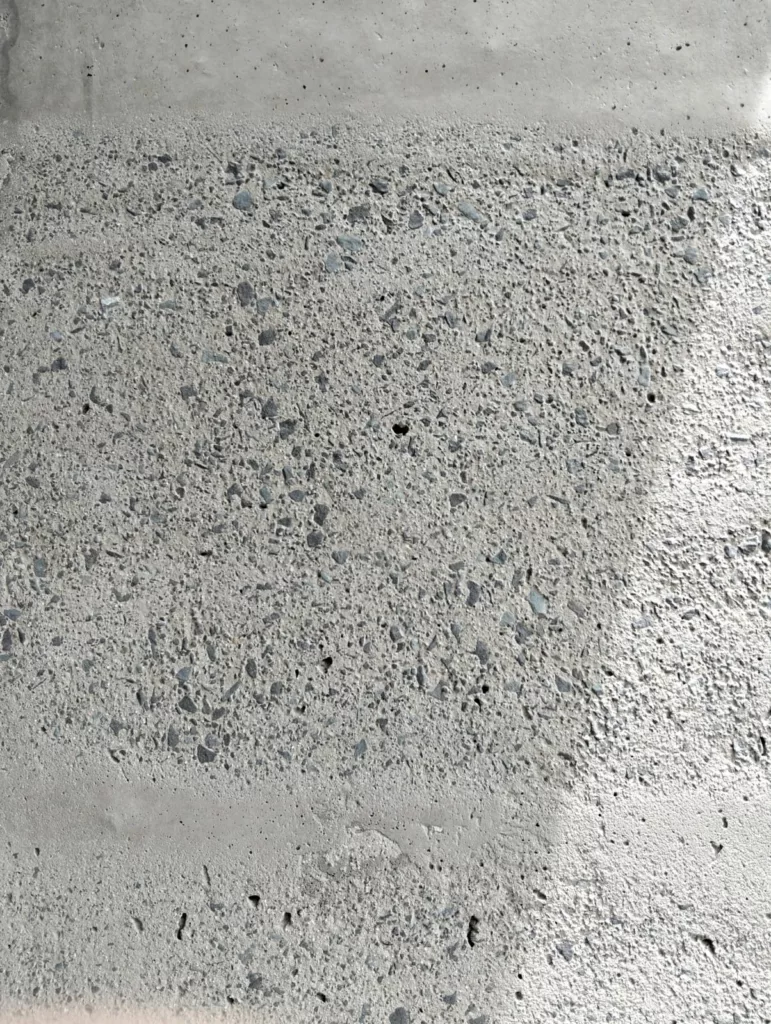
Removes laitance and contaminants
Exposes aggregate where required
Creates the right profile for coatings
🧱 Brick & Masonry
Old mortar, surface staining, and weathering can be tough to remove. Sandblasting cleans and levels bricks for:
Repointing
Waterproof membranes
Rendering
🛠 Steel & Metal Structures
Sandblasting strips rust, mill scale, and old coatings, preparing steel members before protective coatings are applied.
Safety & Control: Don’t Treat It Like a DIY Job
Used incorrectly, sandblasting can:
Create excessive dust
Damage substrates
Interrupt other trades
Professional sandblasting crews in Cape Town use:
Appropriate grit and pressure settings
Dust containment methods
Trained operators who understand structural sensitivities
That’s how you protect your build and avoid costly mistakes.
When To Schedule Sandblasting on Your Project
For efficient sequencing, ideally:
📍 Schedule it before coatings, sealants, or waterproofing
📍 Don’t overlap with trades that can be hindered by dust
📍 Coordinate daily with site supervisors to minimise disruption
A well-planned sandblasting phase keeps the build fluid and reduces downtime.
The Bottom Line for Contractors
Sandblasting isn’t a luxury — it’s a strategic tool for getting clean, ready surfaces in less time with less rework. In competitive markets like Cape Town and the broader Western Cape, efficiency and reliability win you repeat business.
If you’re planning a build — commercial slab, facade restoration, coatings project, or structural prep — sandblasting done right will:
✅ Cut surface preparation time
✅ Improve bonding for coatings
✅ Reduce future maintenance issues
✅ Improve overall project flow
Want a Site-Ready Quote for Sandblasting in Cape Town?
Reach out before the next trade starts. Proper scheduling and preparation keeps your build on time — and on budget.
Related Posts
Reflecting Style: The Art of Custom Sandblasted Mirrors in Cape Town
contact us
Find us Here
- 5 Berbax Park, 41 Berkley
- Road Maitland, Cape Town, South Africa
Trading Hours
- Mon-Thur : 8am - 5pm
- Fridays : 8am - 3pm